admin
admin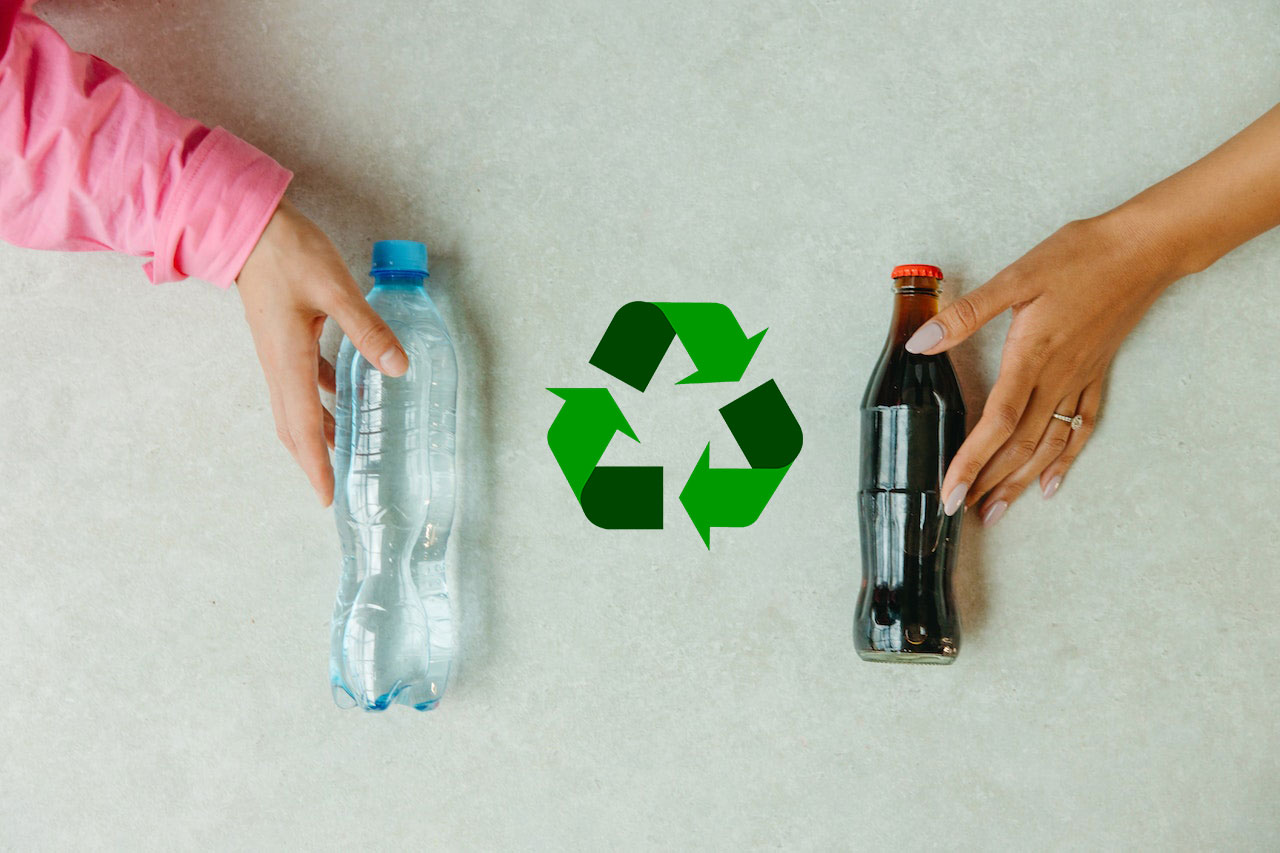
Polyethylene (PE) plastic is one of the most widely used polymers in the industrial sector due to its versatility, durability, and cost-effectiveness. Known for its lightweight properties, chemical resistance, and ease of processing, PE Plastic is employed across a diverse range of applications, from packaging and construction to automotive and consumer goods. Its adaptability makes it a preferred material for manufacturers seeking reliable and efficient solutions in various industrial settings.
Key Properties of PE Plastic
Polyethylene offers a unique combination of properties that contribute to its broad industrial applicability. It is resistant to moisture, chemicals, and corrosion, making it ideal for packaging liquids, chemicals, and food products. PE also has excellent impact resistance and flexibility, allowing it to withstand mechanical stresses in industrial environments. The polymer can be produced in different densities—low-density (LDPE), high-density (HDPE), and linear low-density (LLDPE)—each offering specific properties suitable for distinct applications. This adaptability ensures that PE can meet the requirements of a wide variety of industrial processes.
Industrial Applications of PE Plastic
The versatility of PE plastic makes it suitable for numerous industrial applications. In the packaging sector, PE is used for bottles, films, containers, and flexible packaging, providing strength, durability, and protection for products. In the construction industry, PE is employed for piping, insulation materials, geomembranes, and protective barriers, benefiting from its chemical resistance and long service life. Automotive applications include fuel tanks, interior components, and protective covers, where PE’s impact resistance and lightweight characteristics enhance performance and efficiency. Consumer goods such as toys, household containers, and storage solutions also benefit from the polymer’s durability and versatility.
Processing and Manufacturing Benefits
PE plastic offers several processing advantages that support industrial efficiency. It can be easily molded, extruded, or thermoformed into various shapes and sizes, accommodating complex manufacturing requirements. Its low density reduces material usage and transportation costs, while its thermal stability allows for consistent processing in extrusion, injection molding, and blow molding techniques. Additionally, PE can be compounded with additives to enhance properties such as UV resistance, flame retardancy, or color stability, making it a highly customizable material for industrial applications.
Sustainability and Recyclability
Polyethylene’s recyclability adds significant value in promoting sustainable industrial practices. Post-consumer and post-industrial PE waste can be collected, sorted, cleaned, and reprocessed into high-quality recycled materials suitable for new applications. Recycling PE reduces the reliance on virgin polymers, conserves natural resources, and lowers energy consumption associated with manufacturing. Recycled PE can be used in packaging, construction, and other industrial applications, contributing to a circular economy and supporting environmental sustainability goals while maintaining material performance.
Economic and Operational Advantages
Using PE plastic provides both economic and operational benefits. Economically, PE is cost-effective due to its widespread availability, low density, and energy-efficient processing. Operationally, its versatility and ease of fabrication support streamlined manufacturing processes, reducing downtime and material waste. Recycled PE further enhances cost-efficiency by supplementing virgin materials, helping industries achieve sustainable production while minimizing expenses. These advantages make PE a strategic choice for businesses seeking reliable, durable, and versatile polymer solutions.
Challenges and Opportunities
Challenges in PE plastic usage include contamination during recycling, environmental concerns associated with plastic waste, and managing performance consistency across different grades. Technological advancements in processing, sorting, and recycling are addressing these challenges, enabling higher-quality and more consistent materials. Growing demand for sustainable industrial solutions and regulatory support for plastic recycling present opportunities for expanded adoption of PE in eco-friendly applications. Manufacturers that leverage both virgin and recycled PE can achieve operational efficiency, sustainability, and cost benefits.
Conclusion
PE plastic offers versatile benefits that make it suitable for a wide range of industrial applications. Its durability, chemical resistance, flexibility, and lightweight properties provide manufacturers with reliable and efficient material solutions. Combined with its recyclability and adaptability, PE supports sustainable production, cost-effective manufacturing, and circular economy practices. By integrating both virgin and recycled PE into operations, industries can maintain high performance, reduce environmental impact, and achieve operational excellence across diverse industrial sectors.