Billy Howard
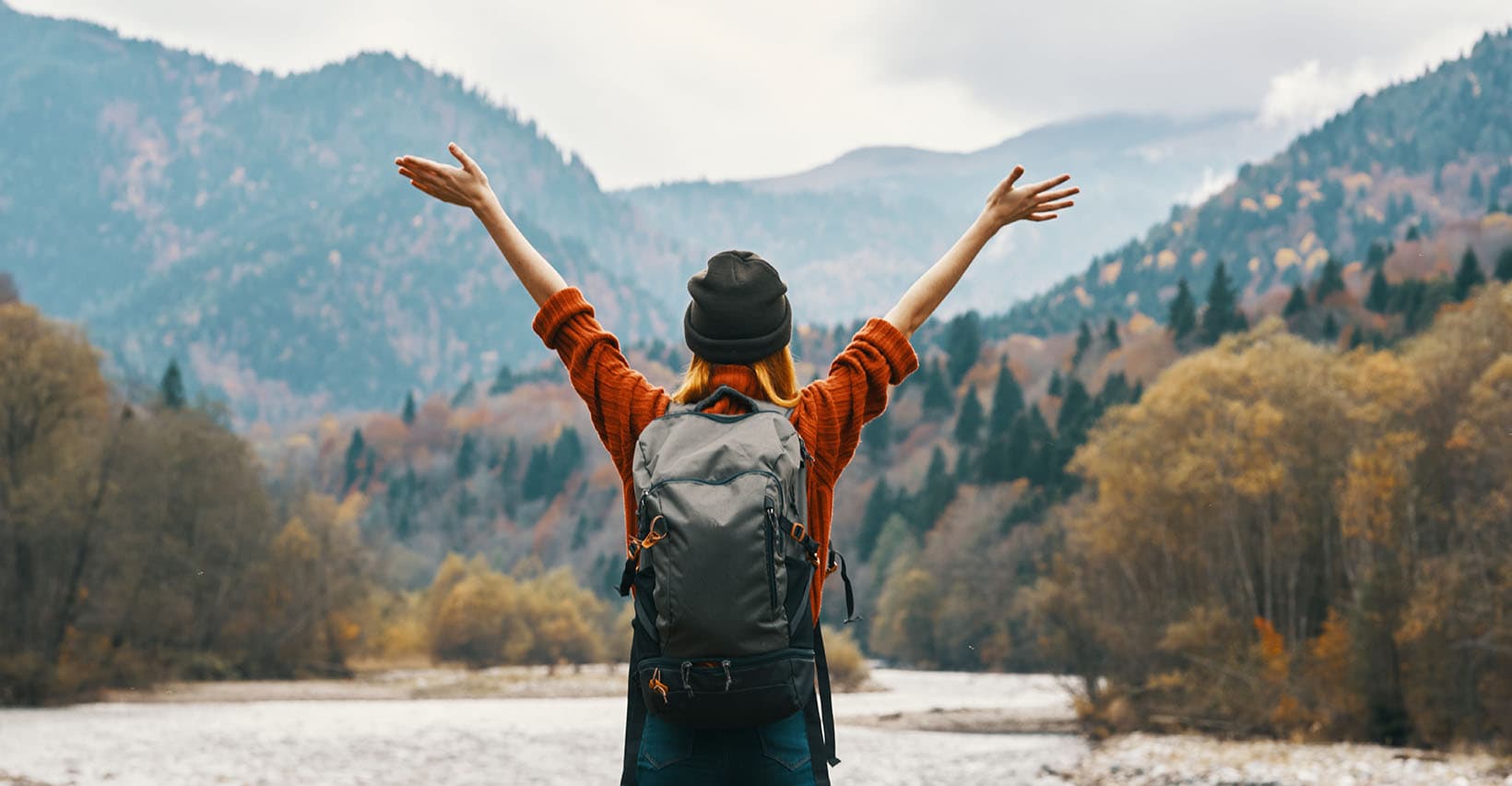
In today’s fast-moving world, more tourists are choosing to slow down, soak themselves in local culture, and plan out meaningful adventures over rushed itineraries. This shift has made even the slow travel movement an increasing trend that joins perfectly with the principles of boutique neighbourliness.
Rather than chasing a checklist of attractiveness, slow travellers profit from authenticity, sustainability, and deeper links with the places they visit. Boutique hotels, accompanying their focus on embodiment and cultural verbalization, are at the heart of this transformation in all-encompassing tourism.
What Is Slow Travel?
Slow travel is as well just a style of tourism—it is a psychology. Instead of visiting multiple destinations in a short time, slow travellers give more time to individual locations, exploring them accompanying curiosity and respect. You can visit https://www.hotelmatlai.com/ and book your trip.
Key standards of slow travel include:
1. Quality over Quantity:
Valuing experiences like a leisurely dinner accompanying local flavors, a morning train village street, or discourses with local guides.
2. Mindful Experiences:
Prioritizing wellness, entertainment, and connection over determined movement.
This attentive approach reduces travel burnout while fostering better appreciation for the goal.
The Rise of Boutique Hospitality
Parallel to the growth of slow travel is the popularity of boutique hotels. Unlike abundant chain resorts, boutique characteristics emphasize individuality, integrity, and personal attention. They often indicate the cultural identity of their point, providing travellers accompanying a sense of place.
Characteristics of Boutique Hospitality:
1. Intimacy:
With hardly any rooms, guests enjoy solitude and exclusivity.
2. Personified Service:
Staff focus on tailored experiences, remembering visitor preferences and forming a welcoming air.
3. Connection to Nature:
Many boutique hotels are situated in serene scenes where tourists can slow down and recharge.
Why Slow Travel and Boutique Hotels are Connected
Slow travel and shop hospitality naturally complement each one. Both emphasize knowledge that is rooted in culture, values, and personal links.
1. Tenable Choices:
Smaller lodgings are defter in to adopt environmental drives such as regionally sourced cuisine, solar power, or waste decline.
2. Romantic & Relaxed Settings:
For honeymooners or couples, boutique features establish intimate atmospheres that help rest, reflect, and deepentheir connection.
3. Tailored Encounters:
Whether arranging a private shore feast, a center visit, or a wellness conference, boutique lodgings specify attentive touches that improve slow journeys.
The Boutique Advantage in Zanzibar
Destinations like Zanzibar embody this shift exquisitely. Boutique properties like Boutique Hotel Matlai highlight the best of both trends. With only six rooms across two culturally themed villas, Matlai offers exclusivity, embodied consideration, and design stimulated by Zanzibar’s tradition. Guests are heartened to diminish, savor local food, and explore the island’s academic and natural treasures at a leisurely pace.
Conclusion
As migrants progressively inquire about experiences that are palpable, sustainable, and individual, the harmony between slow travel and boutique neighbourliness will redefine the future of tourism. For those yearning to escape the rush, soak in culture, and immerse themselves intensely accompanying their environment, boutique hotels in places like Zanzibar offer the perfect haven.
Here, indulgence is not about excess—it is about occasion, room, and lies that stay with you long after the journey ends.


 Jose Evans